Policy analysis and compliance

Waste and resources policy in the UK and European Union is changing rapidly. Driven by commitments to achieve Net Zero by 2050 and accelerate the transition to a circular economy, these policies are reshaping the entire value chain—from product design to post-consumer waste management.

This evolution impacts:

  • Product design and material choices

  • Waste arisings and composition

  • Collection and recycling systems

  • Waste flows and treatment options

  • Site operations and compliance

  • Commercial models across the sector

Understanding these changes is critical for businesses, investors, and policymakers. Our experienced team tracks policy developments and applies deep operational and commercial insight to assess their impact on different stakeholders.

An experienced partner to navigate policy change

Our policy expertise

We provide clarity on complex regulations and help you adapt to new requirements. Our expertise includes:

  • Extended Producer Responsibility (EPR) for packaging

  • Simpler Recycling for local authorities and businesses

  • Deposit Return Schemes (DRS)

  • Emissions Trading Scheme (ETS) for the Energy-from-Waste sector

  • Net Zero strategies – carbon assessment, accounting, and offsetting

  • Re-use and recycling targets, plus bans on specific disposal methods

Tailored policy support

Policy is not just about compliance, it’s about future-proofing your business, unlocking circular economy opportunities, and contributing to Net Zero goals.

We offer bespoke solutions to help you navigate policy changes:

  • Policy Development & Design for governments and policy developers:

    • Operational and commercial insights

    • Impact assessments

    • Policy design informed by real-world data

  • Impact Assessment - using systemic, regulatory, and commercial expertise combined with advanced modelling, we deliver comprehensive assessments for:

    • Investors, developers, and feedstock suppliers – understand future waste flows, composition, and pricing

    • Industry leaders and trade associations – macro-level impact reports for government and stakeholders

    • Individual businesses – minimise compliance costs and identify new opportunities

  • Implementation Support - assessing the commercial and operational impacts of new policies, regulations, and incentives turning compliance into competitive advantage.

Gaming pieces on a board.

“Ceres has the sweet spot of the personal touch a smaller team brings, backed up with a depth of knowledge that you expect from a big consultancy. Their connections in the sector were evident....”

— Lee Marshall, formally CIWM

Selected track record

  • rotten vegetable waste

    Minimising the impact of the Emissions Trading Scheme (ETS) for Local Authorities for Suez recycling and recovery UK

    2025 - With less than two years before the energy-from-waste sector becomes part of the UK Emissions Trading Scheme (ETS), Suez recycling and recovery UK commissioned Ceres Waste, Renewables & Environmental to undertake an analysis of the impact of ETS on local authorities and how the increased costs could be mitigated. The report lays bare the potential impact on local authority waste management budgets, and outlines how existing, proven technologies and services can be used to best effect to mitigate cost increases.  A link to the publication can be found in our Content Hub.


  • Night view of a modern industrial building with large glass windows revealing an interior with metal pipes, ducts, and machinery.

    Assessing the systemic impact of the Emissions Trading Scheme (ETS) on the waste and resources sector

    ‍ ‍

    Ceres was commissioned to write an assessment of the systemic impacts that the Emissions Trading Scheme (ETS) may have on the resources and waste sector.  This report was wide ranging and explored some of the costs, interventions and recommendations to ensure that ETS achieves the aim of reducing the carbon emissions associated with energy from waste and was fairly implemented and regulated.  A link to the report can be found in our Content Hub

    ‍ ‍

  • Decayed apples, yellow leaves, and a torn packaging on a wet, dark surface.

    Secondment to the Compostable by Design Platform

    2025 - Ceres Director, Claudia Amos acted as the Platform Manager for Composting by Design, a cross-value chain platform for collaboration and innovation in compostable materials, technologies and processes, aiming to ensure compostable materials are recycled at scale in Europe.

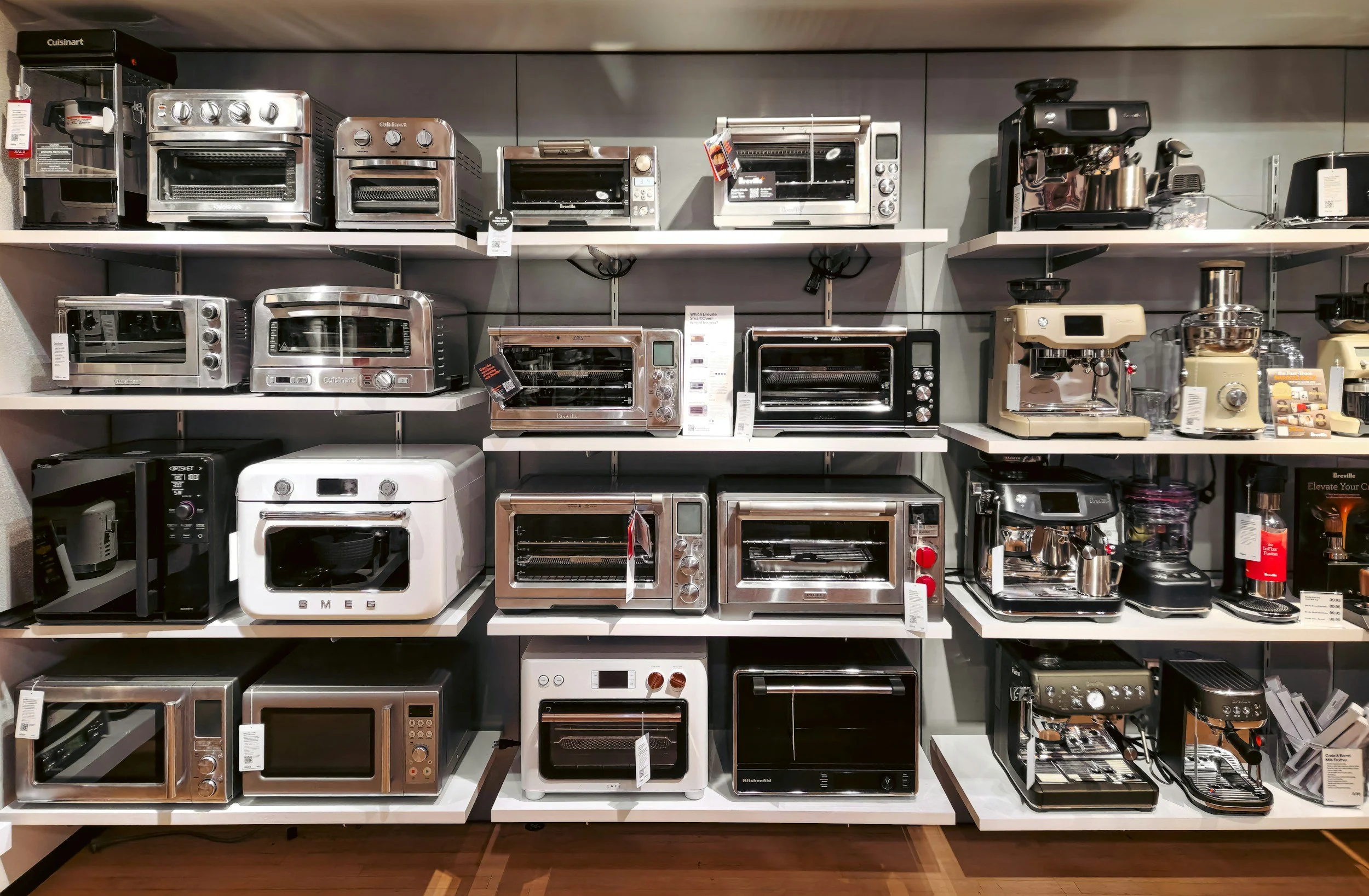
  • A display of various kitchen appliances, mainly toasters and coffee machines, arranged on shelves in a store.

    Compliance support for an electrical appliance retailer

    2024 - Ceres supported the business with regulatory and compliance advice relating to the repair and refurbishment of domestic electrical appliances that were leased by customers.  

  • Sunlight breaking through dark storm clouds over a flat landscape.

    Clear Skies Ahead - the future of waste derived SAF

    2025 - Ceres supported Philip New and Prysm Global to develop the waste related elements of the “Clear Skies Ahead’ which makes a number of key recommendations to ensure success for the UK’s SAF mandate. Ceres provided data and commentary on the waste market and how feedstock availability and pricing for waste-derived feedstock for SAF is expected to evolve as a result of policy, regulation and commercial pressures. The full report can be found here.

  • End of Waste for the products of chemical recycling

    Ceres has supported this developer at several stages of the projects’ evolution.  Particular focus has been on the potential and role of carbon credits/offsets, the impact of the emissions trading scheme, and importantly, developing the submission to evidence ‘end of waste’ for products.

  • EcoPower

    PRN support

  • A business case for investment in plastics recycling infrastructure for a Tier 1 waste and resources company

    Ceres delivered an independent review of the plastics recycling infrastructure that will be needed to treat plastics presented for recycling and diverted from EfW to reach Net Zero. The UK has lost 22% of plastics recycling capacity in the last two years and the sector is facing serious commercial challenges.  This comes at a time when key environmental policies that will increase plastics collected for recycling are being implemented.  Despite significant investment in developing these policies, their success depends on having legitimate recycling outlets for the material collected. These plastics will become more complex, including films and non-packaging plastics sorted from residual wastes.  As such, the UK not only needs more capacity to recycle plastics but must also ensure that the capacity we create can also treat ‘hard to recycle’ plastics that must be diverted from unabated EfW to reach Net Zero.