Circular materials
Unlocking waste streams to optimise businesses and supply chains for sustainable growth is key for a circular economy.
A circular economy is an economic model designed to eliminate wastage and keep materials in use for as long as possible. Unlike the traditional linear economy, where products are made, used, and discarded—the circular approach focuses on designing out waste, recycling and reusing resources, and regenerating natural systems. This shift is essential for achieving net zero and creating sustainable value across industries.
Adopting circular principles reduces dependency on virgin resources, lowers emissions, and creates resilient supply chains. It’s not just an environmental imperative, it’s a business opportunity to unlock cost savings, innovation, and long-term value. This is not just re-use, recycling or downcycling, but applying broader metrics using carbon and economic assessments to maximise circular material flows for the long term.
Our expertise in creating circular material solutions
We understand waste, supply chain material flows and product and packaging life cycles, enabling us to provide practical, actionable advice for businesses transitioning from a linear to a circular economy, while reducing supply chain risks, enhancing financial viability and meeting regulatory waste and product standards. maintaining operational efficiency and financial stability.
We are waste experts supporting our clients to bridge the gap between how waste appears at the end of use or processing and creating valuable material streams for re-manufacturing.
Our on-site expertise includes a wide variety of waste streams, processing technologies and approaches:
Sorting and separation technologies
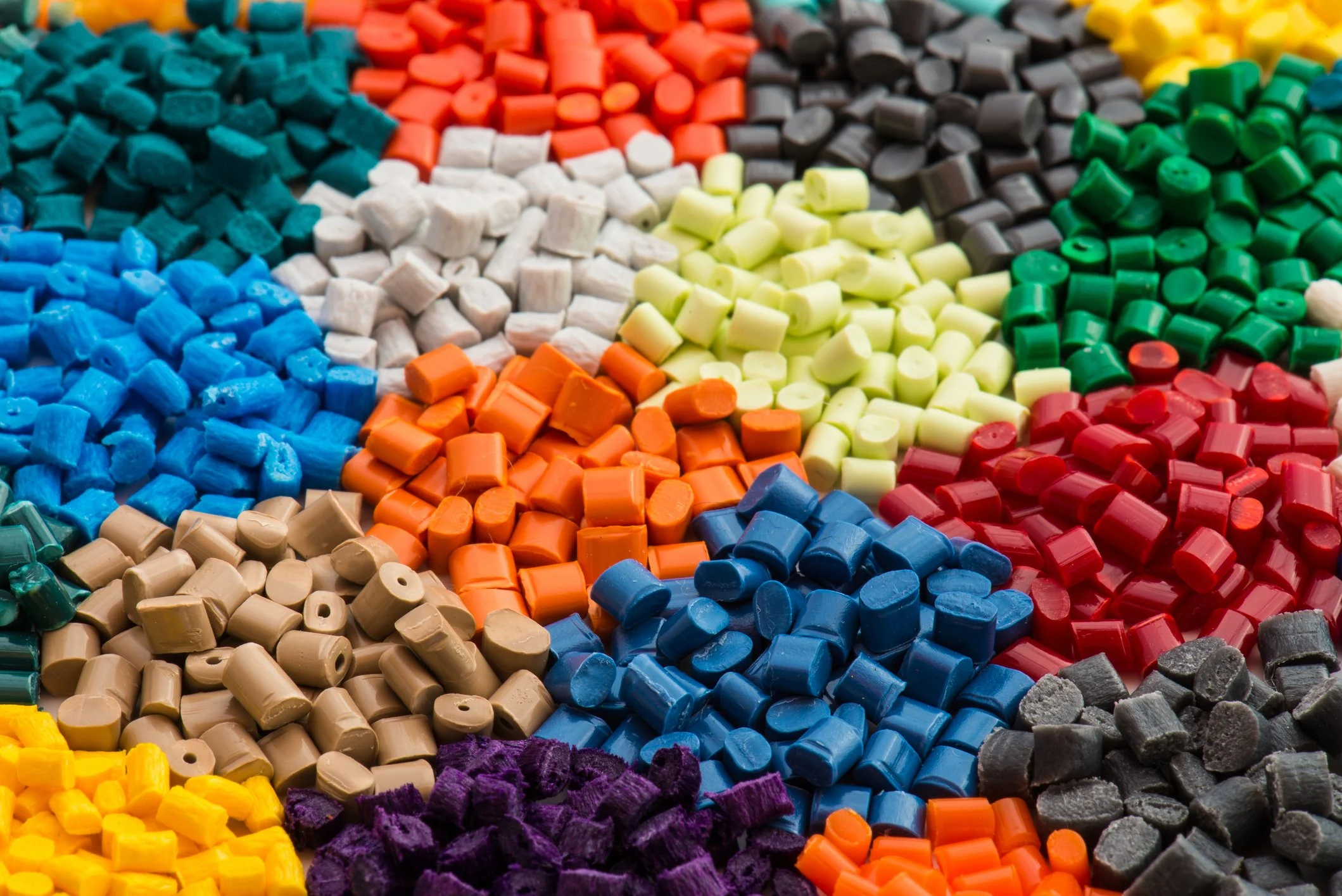
Mechanical and chemical recycling of plastics and other dry recyclables
Biodegradation processes (composting and anaerobic digestion)
Waste-to-energy and ‘waste-to-molecule’ technologies (sustainable fuels)
Our services and capabilities
We help clients implement circular strategies through reforming waste streams into valuable resources by identifying options for re-use and recycling or energy recovery :
Tracking and evaluation your waste to evaluate chains of custody and final destination.
Compliance with waste and recycled content legislation – meeting the requirements of Extended Producer Responsibility and the Packaging and Packaging Waste Regulation (PPWR) and other EPR compliance requirements
Supply chain evaluation – assessing the opportunities and risks for products and packaging at the end of life
Carbon assessment and mitigation – evaluating true impact along the supply chain by creating ‘net zero’ route maps
Opportunity assessment- evaluation of waste, regulatory and emissions trading costs and benefits
Advanced recycling technologies – innovative, viable and available recycling options for waste products and packaging
Material switching strategies – evaluating opportunities in designing products and packaging with waste and renewable resources in mind
Client Testimonial
“We turned to Ceres for their knowledge, expertise and partnering approach. Their insights and understanding of the sector have been key to helping us shape our thinking and focus on sustainable solutions that work best for our business and our wider community”
— Rosie Llewelyn, Growth & Strategy Director, Thalia Waste Management
Selected track record